
The Fixed Assets (FA) and Tools Management Module in FTS Accounting is designed to help businesses manage the entire lifecycle of their assets — from acquisition, utilization, transfer, and depreciation calculation to disposal or liquidation.
The system ensures transparent and accurate asset management in full compliance with accounting regulations, with automatic accounting for all related transactions.
1. Comprehensive Asset and Tool Information Management
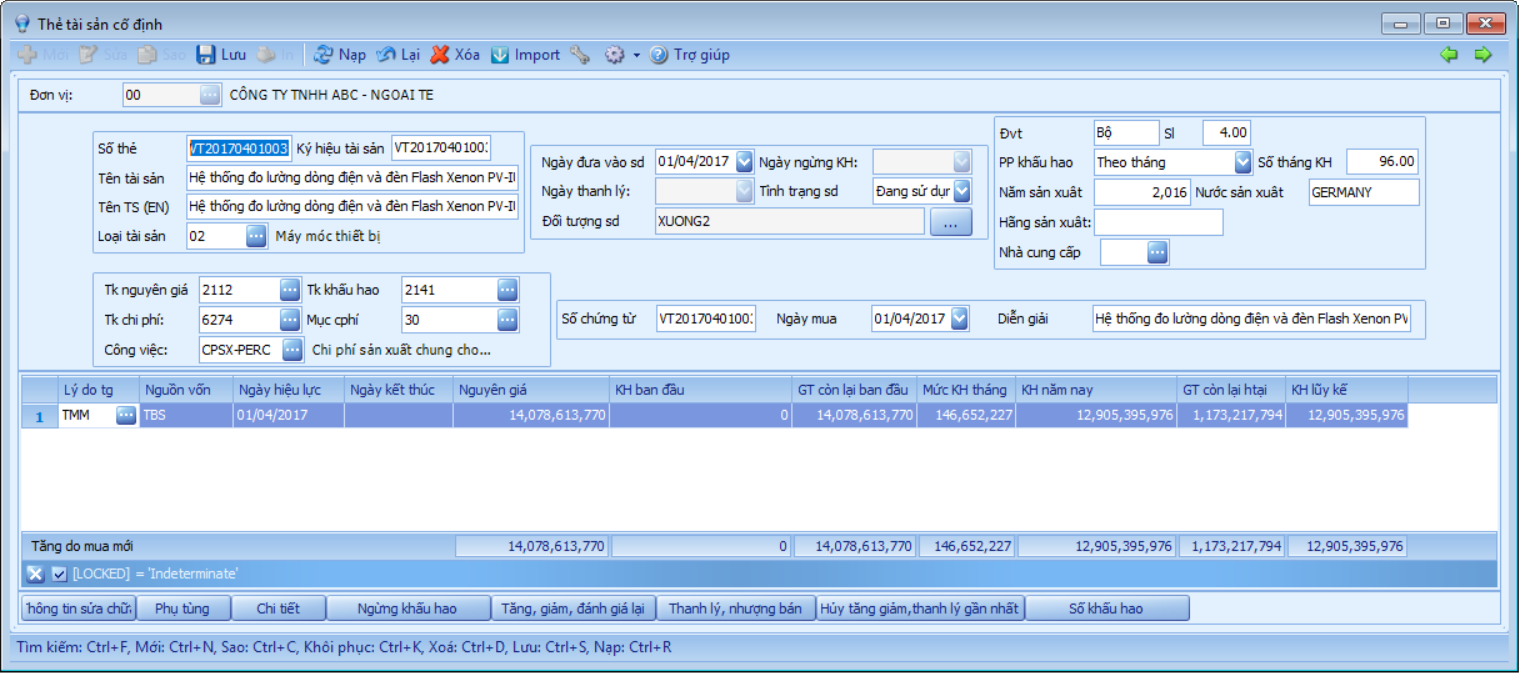
- Record detailed information for each fixed asset and tool: asset code, asset name, category, original cost, remaining value, year and country of manufacture, usage status, user, department, and acquisition reason.
- Support asset classification by type, department, business unit, or funding source.
- Store the full asset history including maintenance, upgrades, transfers, and changes in users.
2. Automated Depreciation and Cost Allocation
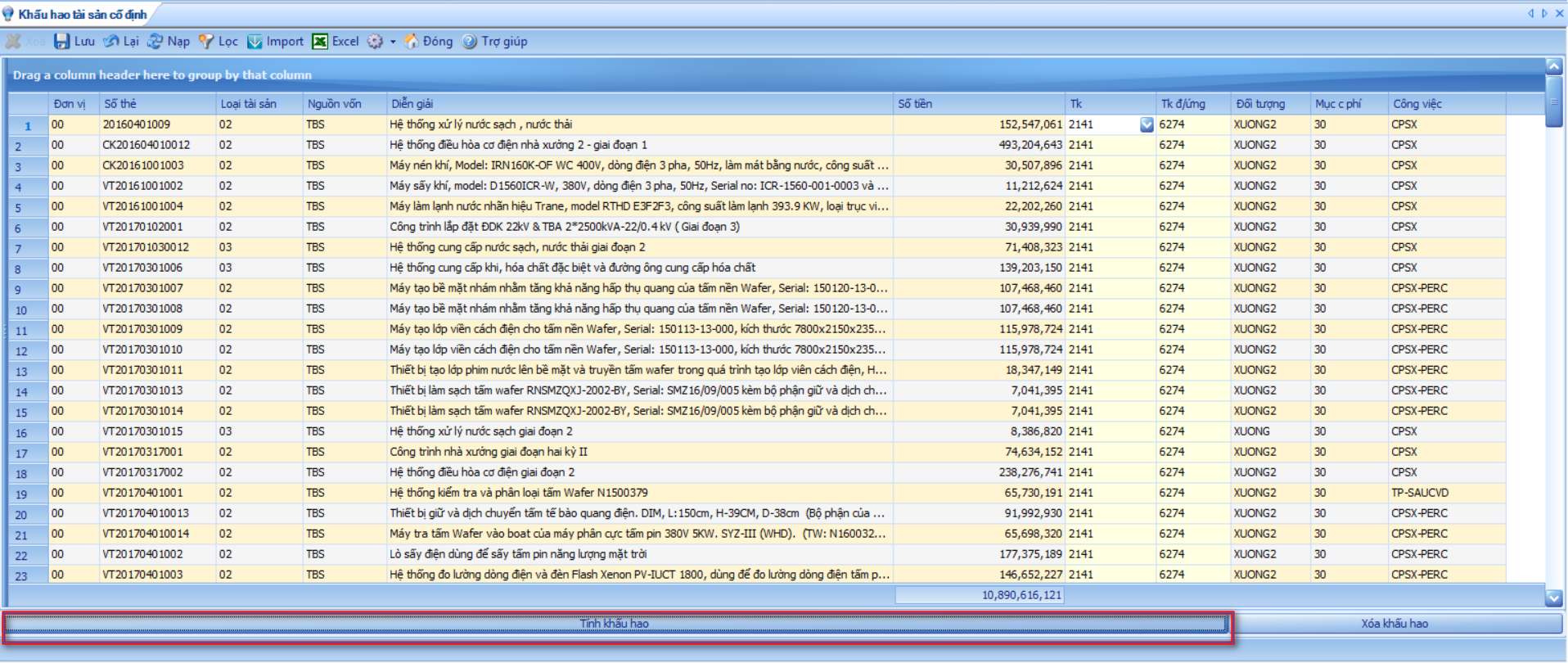
- Automatically calculate FA depreciation using the straight-line method in accordance with Vietnamese Accounting Standards (VAS).
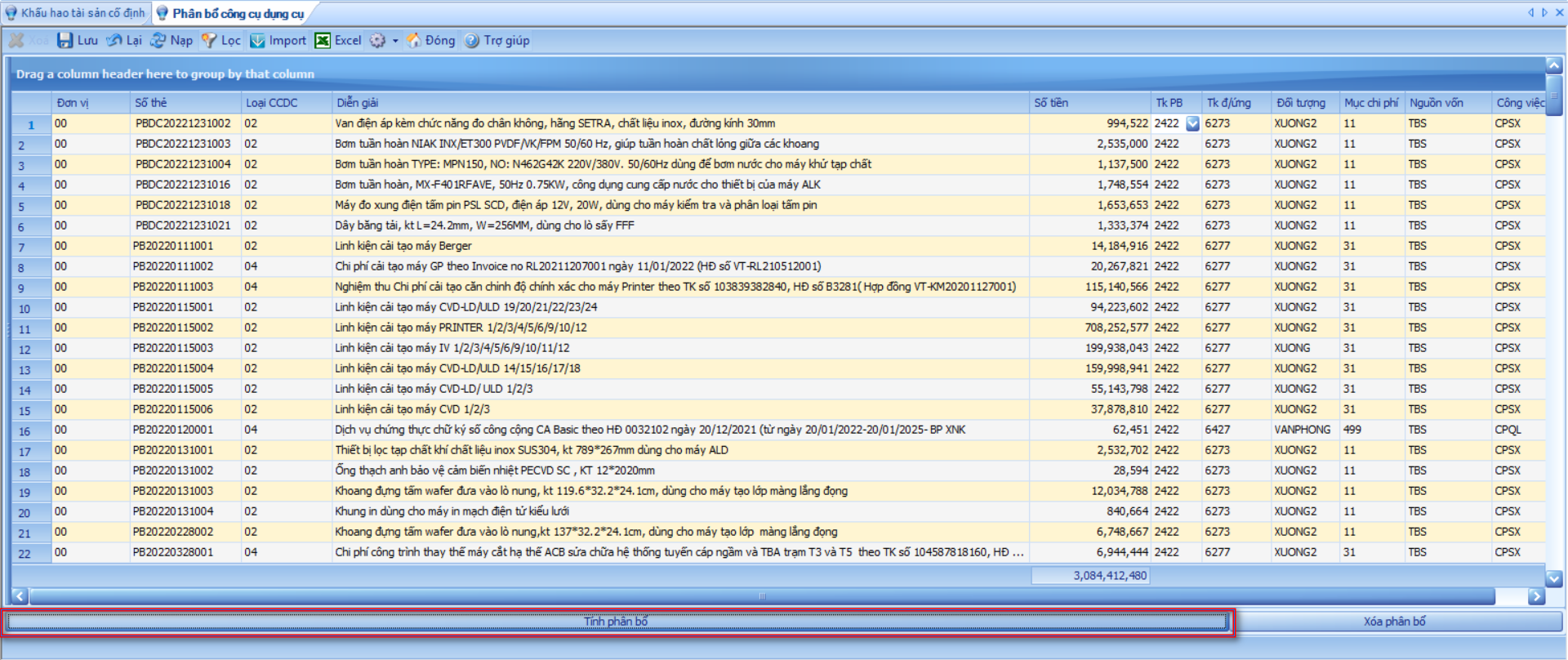
- Allocate tool expenses by usage period, department, or specific project.
- Generate depreciation schedules and automatically post accounting entries by period, minimizing manual work for accountants.
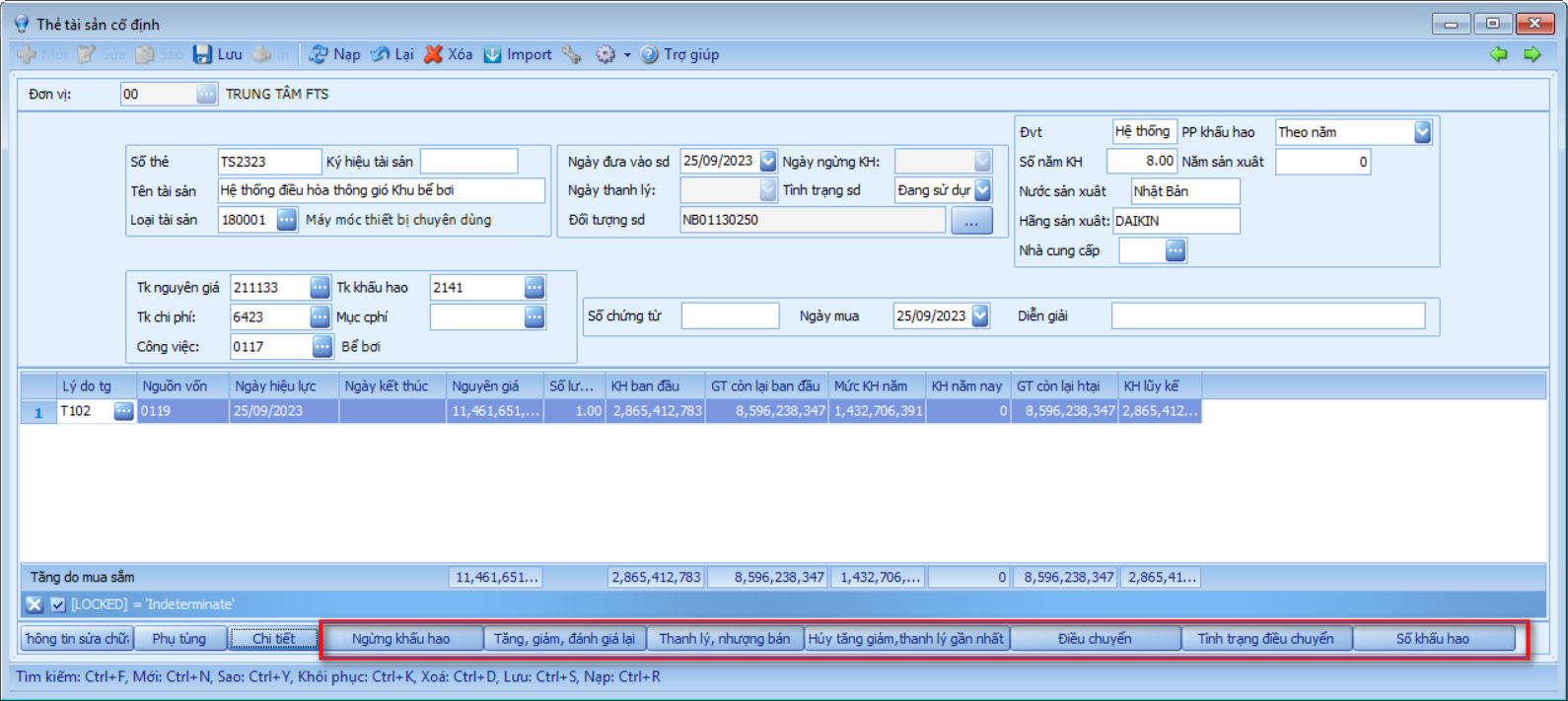
3. Asset Transactions: Disposal, Sale, Transfer, Suspension, Addition, Reduction, and Revaluation
- Manage asset liquidation or sale with automatic postings for cost reduction, accumulated depreciation adjustment, and disposal results.
- Track the full history of asset changes for transparency and easy audit.
- Record asset transfers between departments or branches, including transfer status and responsible personnel.
4. Asset Inventory and Adjustment Support
- Conduct periodic or ad-hoc asset inventories and record differences between book and actual values.
- Automatically generate inventory sheets, adjustment proposals, and accounting entries for depreciation or asset value adjustments.
- Help control asset losses and update the asset register in real time.
5. Detailed Management of Sub-assets and Asset Repair, Transfer, and Disposal
- Follow and manage in detail the components that make up a major asset, ensuring a clear understanding of their condition, value, and usage process.
- Declare the details belonging to the main asset.
- Manage information for each detail: name, quantity, using department, condition, start date of use, liquidation date, original cost, frequency of use.
- Manage the repair of asset details: monitor all repair and upgrade activities for each asset detail.
- Declare the detail that needs repair.
- Record the arising issue, arising date – start date – completion date.
- Manage information of the contractor in charge, repair solution, cost (unit price, amount).
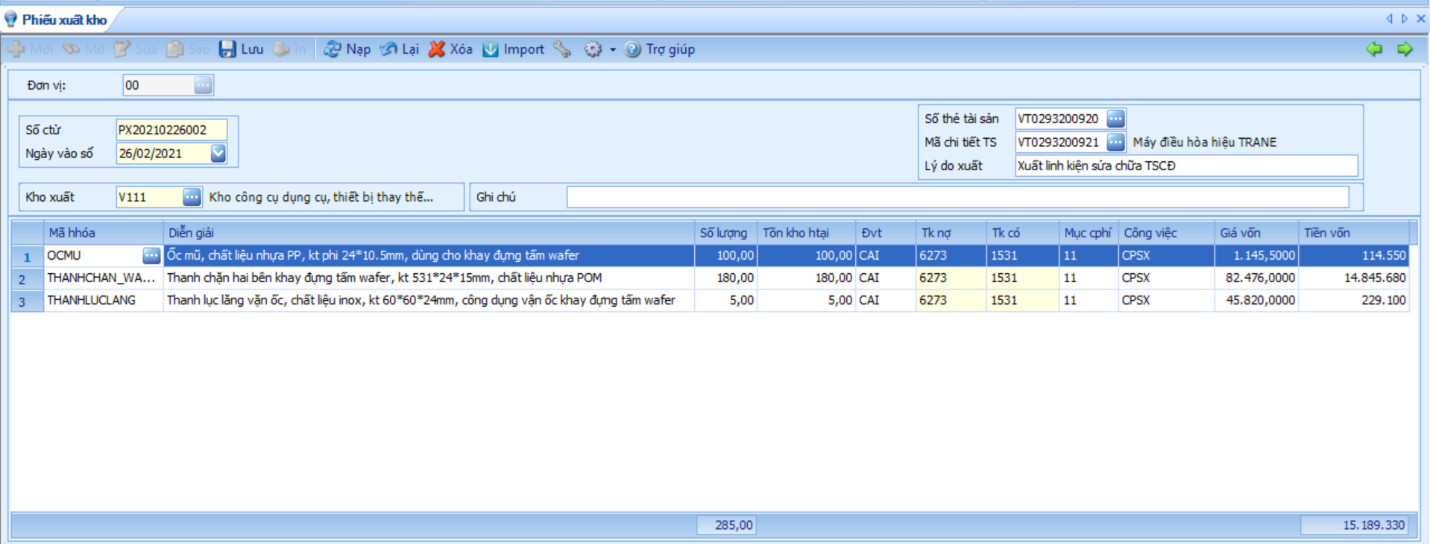
- Monitor materials (MIV) issued for asset repair.
- Manage warehouse issue vouchers related to repair.
- Link materials with the repaired asset detail.
- Monitor issued quantity, stock balance, and cost of goods sold.
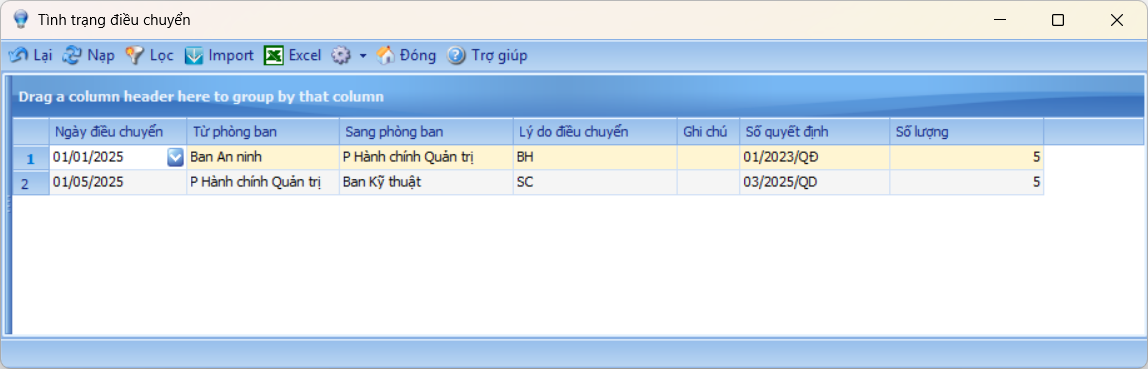
- Monitor the transfer process of asset details between departments internally or outside the unit.
- Manage detailed information of transferred assets, transfer date, transferring – receiving department.
- Record reason for transfer, transferred quantity.
- Liquidate asset details: manage the liquidation process of each detailed part of the asset, serving to calculate residual value and update asset reduction.
- Select the asset detail to be liquidated.
- Record liquidation date, recovered value, attached documents.
- Update reduction of original cost (if any).


6. In-depth and easy-to-audit reporting system
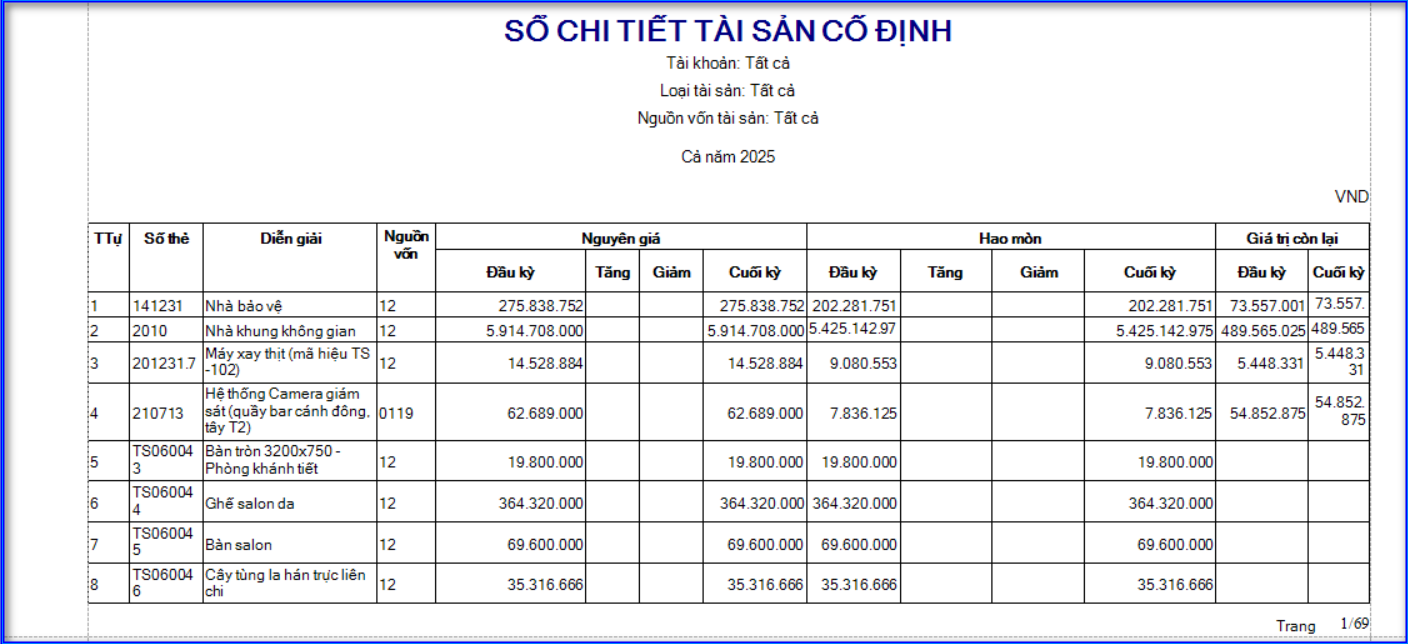
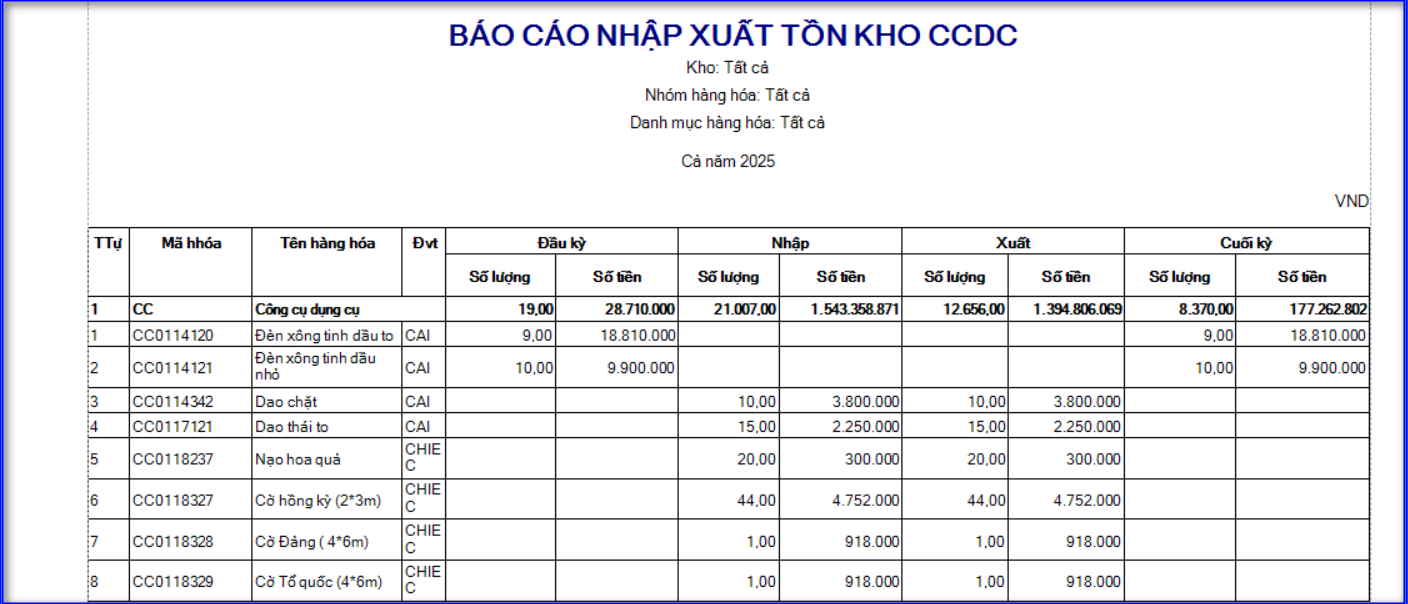
- Reports on fixed asset register, depreciation schedule, allocation report of tools and instruments, transfer and liquidation reports.
- Reconcile asset values by unit, by period, and by asset type.

The Fixed Assets and Tools Management module of FTS Accounting not only helps enterprises effectively control asset values but also contributes to cost optimization, accounting data standardization, and reduction of financial risks related to assets.