


 Share
 Share
 Copy
In the context of globalization and Industry 4.0, Vietnamese agriculture – considered the “backbone” of the economy – is facing a major turning point: digital transformation.
The application of digital technology to the production, processing and consumption of agricultural products not only helps to increase productivity and reduce costs, but also creates new values, bringing Vietnamese products further into the international market.
From farm management, crop monitoring, livestock tracking to supply chain management – all can be digitized and automated thanks to modern technology solutions. By leveraging technology, businesses can optimize production, improve quality, expand markets and increase profits. So what is digital transformation in agriculture? What solutions help agricultural businesses effectively transform digitally? Let's find out with FTS.
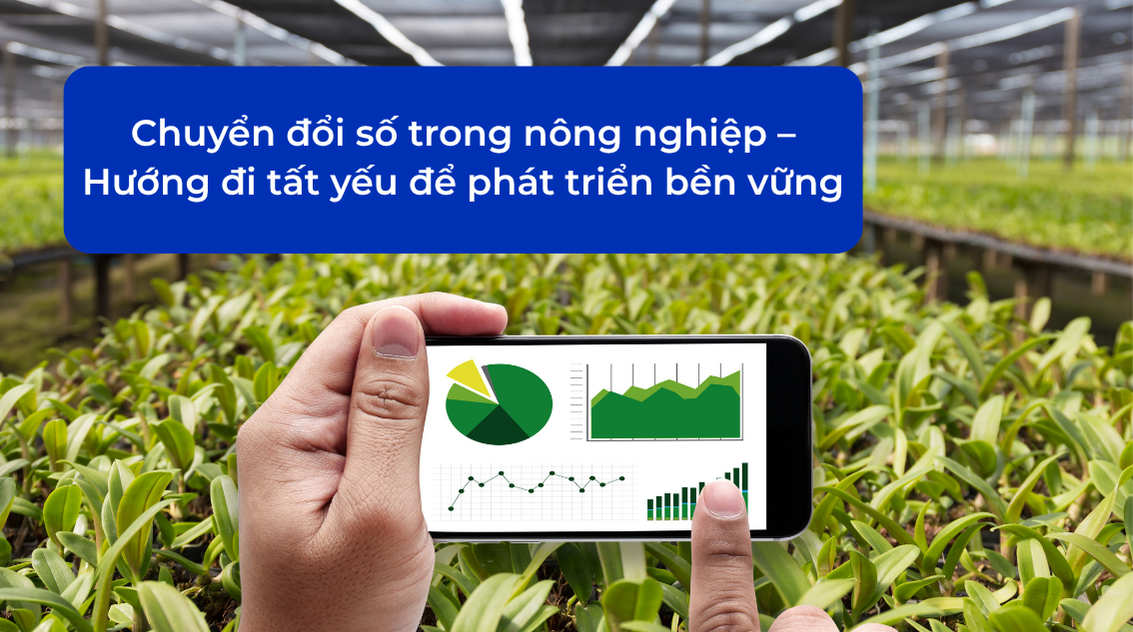
1. What is digital transformation in agriculture?
““Digital transformation in agriculture is the process of applying technology to agricultural activities from production, processing to distribution, to product consumption.““
Digital agriculture applies modern technologies such as big data, cloud computing, IoT to the entire operation. This helps businesses transform their business models from traditional to more modern and intelligent models.
The goal of digital transformation in agriculture is to increase efficiency, reduce costs, achieve sustainable growth and improve product quality. Some key aspects of digital transformation in agriculture include:
- Precision agriculture: Using GPS, sensors, drones and satellites to collect accurate data on land, crops, weather to optimize farming.
- Internet of Things (IoT): Deploying connected sensor systems to monitor environmental conditions, crop and livestock health.
- Big data and artificial intelligence: Analyze large amounts of data to make accurate decisions on planting time, harvesting, and disease prevention.
- Automation: Use robots and automatic machines in farming, harvesting, and other stages.
- E-commerce and digital supply chain: Directly connect producers with consumers, optimize the supply chain.
- Traceability: Apply blockchain technology to ensure transparency and traceability of products.
2. Benefits of digital transformation in agriculture
Digital transformation brings many benefits to the agricultural sector as well as businesses and farmers. It helps increase efficiency, reduce costs, expand markets, and make the agricultural sector more flexible in responding to modern challenges.
Reduce costs and improve labor productivity:With remote control methods and the support of smart devices, it can help reduce production costs and labor by half.
Improving product quality:Big Data and biotechnology will help businesses and farmers analyze data on the environment, soil, light and quality of crops. From there, farmers and businesses will make better decisions in farming activities.
Expanding the market:Digital transformation provides opportunities for agricultural businesses to access international markets through e-commerce and online marketing.
Responding to climate change:Agricultural businesses can use data from sensors and other information sources to predict and take preventive measures when there are signs of disasters or climate change.
3. Current status of digital transformation in agriculture
According to the socio-economic report published on the morning of January 6 by the General Statistics Office (GSO), agricultural, forestry and fishery production in 2024 will take place in complex conditions such as drought in the Central Highlands and Central regions, saltwater intrusion in the southern provinces, especially the impact of storm No. 3 on the northern localities.
However, thanks to timely responses from relevant parties, 2024 will end with positive growth in agricultural, forestry and fishery production, meeting domestic and export demand.
In 2024, according to the Ministry of Agriculture and Rural Development, the total export turnover of agricultural, forestry and fishery products will reach a record high of 62.5 billion USD, up 18.7% over the previous year; the trade surplus will continue to reach a record high of 17.9 billion USD, up 46.8%.
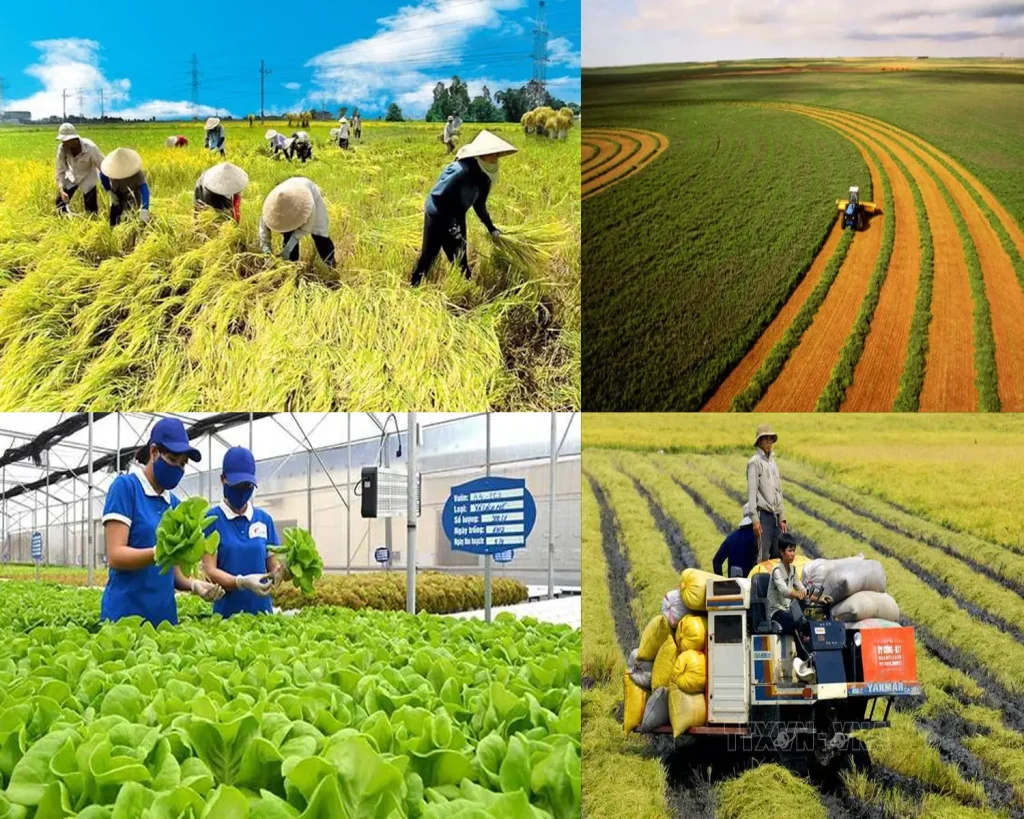
Achievements
- Digital transformation in agriculture has been applied through many modern technologies such as Internet of Things (IoT), artificial intelligence (AI), big data, and Blockchain. These technologies help monitor the farming environment, analyze agricultural data, trace product origin and manage smart production.
- Some smart agriculture models have been successfully deployed, for example, the smart farming model of BaF Vietnam Agriculture Joint Stock Company using IoT and AI to help reduce 20% of feed costs and increase 15% of productivity; the automatic weather monitoring system in Dong Thap helps save 30% of irrigation water.
- Blockchain technology is applied in the management of the supply chain of agricultural products for export, increasing product value and creating trust for consumers, especially in the context of the international market with high requirements on origin and quality.
- E-commerce platforms such as Shopee, Lazada, and Tiki have become effective distribution channels, directly connecting farmers with consumers, reducing intermediaries.
- More than 2 million agricultural production households have been trained in digital skills, about 50,000 agricultural products have been put on e-commerce platforms, and thousands of electronic transactions have been carried out, showing progress in digital transformation.
Challenges and barriers
- The rate of digital technology application in the agricultural sector is still low: about 30% of agricultural enterprises will apply digital technology in 2025, lower than the target of 50% in 2025; only 15% of cooperatives and farms use digital production management systems.
- Technology infrastructure is not yet synchronized, especially in rural areas, only about 60% of rural areas have stable Internet connection, making it difficult to apply digital platforms.
- Investment costs for IoT devices and sensors for environmental monitoring are still high, lacking synchronous investment from localities.
- Awareness and digital skills of workers in the industry are still limited, need to be improved through training and support.
- Support policies and financial accessibility for small businesses and cooperatives are still limited, affecting the speed of digital transformation
4. Digital transformation trends in agriculture
Digital transformation in agriculture will continue to grow strongly in 2025, with the increasingly widespread application of new technologies. Below are the prominent trends in the agricultural sector:
4.1. Application of artificial intelligence (AI) and machine learning
- Crop and yield prediction: AI will be used to analyze data from previous seasons, predict yields and help farmers make accurate decisions about planting and harvesting times.
- Crop monitoring and management: AI can analyze data from sensors or satellite images to detect diseases or pests early, helping to reduce the use of pesticides and improve product quality.
4.2. Internet of Things (IoT) and smart sensors
- Smart irrigation: IoT will help irrigation systems automatically adjust the amount of water according to the actual needs of crops, helping to save water and increase resource efficiency.
- Crop and livestock health monitoring: Smart sensors will help monitor humidity, temperature and other environmental factors, thereby giving warnings about the health status of crops and livestock.
4.3. Precision agriculture
- Using drones and unmanned aircraft: Drones will help farmers monitor large areas of land, collect data on crop status and surrounding environment, thereby making quick and accurate decisions.
- GPS technology and digital maps: GPS systems will help determine the exact location and area of each cultivated land area, optimizing the use of fertilizers, pesticides and water.
4.4. Blockchain and product traceability
- Transparent traceability: Blockchain will help create a completely transparent traceability system for agricultural products, thereby enhancing consumer confidence and minimizing product fraud.
- Supply chain management: Blockchain also helps improve the agricultural supply chain, from production to distribution, ensuring that goods are not damaged, and transactions are carried out transparently.
4.5. Big Data application
- Analyzing agricultural data: Using big data to analyze consumer behavior, market trends and factors affecting agricultural production, helping farmers and agricultural businesses develop appropriate development strategies.
- Smart resource management: Big data will help farmers analyze the efficiency of resource use such as land, water, and fertilizer, optimize resource use, and minimize costs.
4.6. Sustainable agriculture
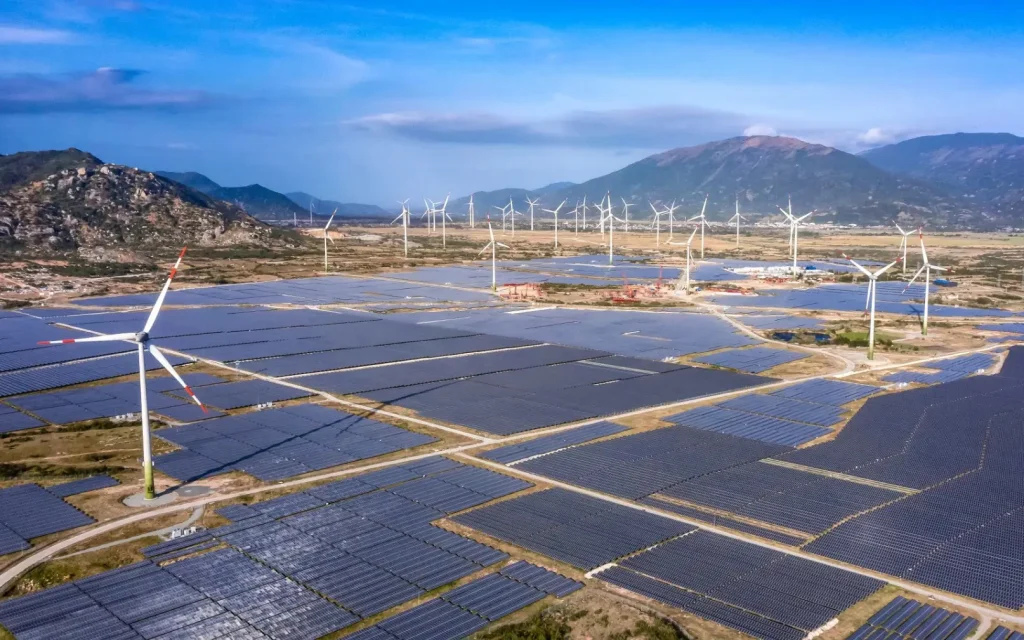
- Increasing the use of renewable energy: Agriculture will shift to using renewable energy such as solar and wind to minimize environmental impact and production costs.
- Environmental impact reduction technology: Using biotechnology, organic fertilizers, and non-polluting farming methods to produce clean and sustainable agricultural products.
4.7. Digital transformation in management and distribution
- E-commerce and mobile applications: E-commerce platforms and mobile applications will help connect farmers with consumers quickly, conveniently and effectively, reducing intermediary costs.
- Smart agricultural business management: Agricultural management software will help businesses monitor the entire supply chain, optimize financial and human resource management.
5. Some challenges when transforming digitally in agriculture
Digital transformation in agriculture brings many benefits but also faces many challenges. Below are the main challenges when implementing digital transformation in agriculture:
5.1. Awareness and technological level of farmers
- Lack of understanding of technology: Most farmers in Vietnam are not familiar with digital technologies, the application of new technologies faces barriers in awareness and skills.
- Low access to technology: Farmers, especially in rural areas, do not have much access to new technology, leading to delays in adopting digital transformation.
5.2. Lack of synchronous technology infrastructure
- Weak infrastructure: Many rural areas lack the necessary infrastructure such as stable internet, electricity and facilities to deploy modern technology.
- Uneven connectivity: IoT systems, smart sensors or big data require strong and continuous internet connectivity, which is difficult to ensure in many rural areas where infrastructure is limited.
5.3. High initial investment costs
- High technology costs: Deploying new technologies such as drones, sensors, AI and IoT requires large initial investments, which can be a barrier for many farmers and small businesses.
- Lack of financial support: While digital technologies can be highly effective in the long run, the initial investment cost is a deterrent to transformation for many households and SMEs in the agricultural sector.
5.4. Data security and privacy issues
- Security vulnerabilities: Collecting and processing large amounts of data in agriculture can face security and privacy issues, especially when sensitive data such as farmers’ personal information or agricultural product data is compromised.
- Data ownership risks: Issues of data ownership and control can also be difficult, especially when technology platforms are provided by third parties.
5.5. Difficulty in changing old habits and processes
- Managing change: Farmers often have the habit of working in the traditional way, so moving from manual farming methods to applying technology requires a change in working processes and thinking.
- Resistance to innovation: A large part of farmers may feel that it is not necessary to change their way of working, so they may resist applying new technology, slowing down the digital transformation process.
5.6. Lack of support and professional training
- Lack of technical training and support: Training farmers and officials in the agricultural sector on how to use and manage new technology is an important factor. However, currently, training on digital transformation for farmers and businesses in the agricultural sector is lacking and inadequate.
- Limited support from state agencies: Policies to support and encourage digital transformation in agriculture from state agencies are still lacking and not strong, especially at the local level.
5.7. Lack of cooperation and connection between parties
- Lack of cooperation between farmers, businesses and technology organizations: One of the important factors for successful digital transformation is cooperation between farmers, agricultural businesses, technology providers and research organizations. However, at present, this connection is weak and lacks a clear cooperation mechanism.
- Inappropriate business model: Combining traditional agricultural business models with modern technologies can be difficult, especially when businesses do not have enough resources and experience to apply technology to their production processes.
5.8. Market fluctuations and environmental factors
- Climate change: The agricultural sector is greatly affected by climate change. Applying technology in agriculture can help improve productivity, but rapid changes in weather and climate can cause many difficulties, requiring technology systems to be flexible enough to respond.
- Fluctuations in the consumer market: The agricultural sector also faces fluctuations in the market and changes in product consumption demand, which affects the sustainability of digital transformation models.
6. FTS Accounting - a comprehensive digital transformation platform to support businesses
The agricultural sector is entering a period of strong transformation with the trend of applying technology and digital data to all production and business activities. However, many businesses in this field still face difficulties in managing finances, production costs, inventory and contracts supply, especially when the scale of operations is expanding.
That is the reason why FTS Accounting was born - an accounting and financial management platform specifically designed for the characteristics of Vietnamese agricultural enterprises, helping to automate processes, make data transparent and optimize management efficiency
Unlike mass accounting software, FTS Accounting was developed by FTS with the ability to flexibly customize according to the actual model and process of each enterprise.
The software fully meets the needs of units operating in the agricultural sector - from production, purchasing, processing, to trading agricultural materials.
Outstanding features include:
- Manage detailed agricultural production costs by batch, season, contract or growing area.
- Track materials - seeds - fertilizers - pesticides according to norms, accurate import and export.
- Automatically calculate revenue, expenses, debts, taxes and financial reports, helping accountants reduce manual workload.
- Connect data with other management systems such as FTS HRM (human resources), FTS ERP (general management), and FTS Invoice (electronic invoices).
- Flexible deployment - can be used on the Cloud platform (cloud computing) or installed separately according to business requirements.
At Nghe An Food and Agricultural Supplies Joint Stock Company,FTS has deployed a comprehensive customized accounting and financial solution to suit the specific characteristics of multi-branch, multi-warehouse, and multi-product operations.
As a result, the business has:
- Shortened 60% of the time to summarize financial reports.
- Significantly reduced errors in debt and inventory management.
- Increased transparency and efficiency in financial operations.
Similarly, the Agricultural Project Management Board has trusted and chosen FTS Accounting to standardize accounting processes and synchronize data between projects and member units.
The system helps the management board control investment budgets, disburse and settle payments quickly, accurately and transparently - meeting strict requirements in the field of public investment and agricultural development. In addition, many other agricultural enterprises have been sustainably accompanying FTS.

The outstanding strength of FTS Accounting lies in its ability to customize according to the actual requirements of each enterprise.
Từ việc thiết kế báo cáo chuyên biệt cho từng loại nông sản, cho đến quản lý chi phí sản xuất đa giai đoạn, phần mềm đều có thể mở rộng, điều chỉnh và tích hợp dễ dàng. Điều này giúp doanh nghiệp: Không phải thay đổi quy trình vận hành hiện tại, có hệ thống phù hợp với mô hình sản xuất, kinh doanh riêng biệt, và dễ dàng mở rộng khi quy mô doanh nghiệp phát triển.
With a team of experienced experts in the field of digital transformation of enterprises and management accounting, FTS not only provides software, but also provides consulting, training and on-site implementation support. Hundreds of agricultural enterprises nationwide have been using FTS Accounting to improve financial management capacity, optimize operations and expand the market sustainably.
Digital transformation is not just a trend - but a mandatory step for Vietnamese agricultural enterprises to develop sustainably in the digital age.
With FTS Accounting, businesses have a powerful, flexible and efficient technology platform – designed to solve the right needs, the right problems and the right time.
Learn more and experience FTS Accounting at:
Address: Lilama 10 Building, To Huu Street, Dai Mo Ward, Hanoi City, Vietnam
Email: info@fts.com.vn
Tel: 024 3748 0398 – Fax: 024 3748 0399
 Website: https://fts.com.vn/
Linkedln: https://www.linkedin.com/company/first-trust-solution/


